top of page
LELAND CREATIVE
VIDEOGRAPHY / PHOTOGRAPHY / BLOG

Welcome to Field Notes,
my blog featuring short natural history insights, photography, and videography. A heads up...I don't rush my videos. I try to briefly transport you the scene visually and audibly. Natural silence is fundamental to presence. So embrace the slower pace and turn on the sound. It will give you a totally different experience. Enjoy!


About This Blog...
Soon after I got back into photography in 2020, I had a magical encounter. I heard a thrumming.
lelandcreative
May 151 min read
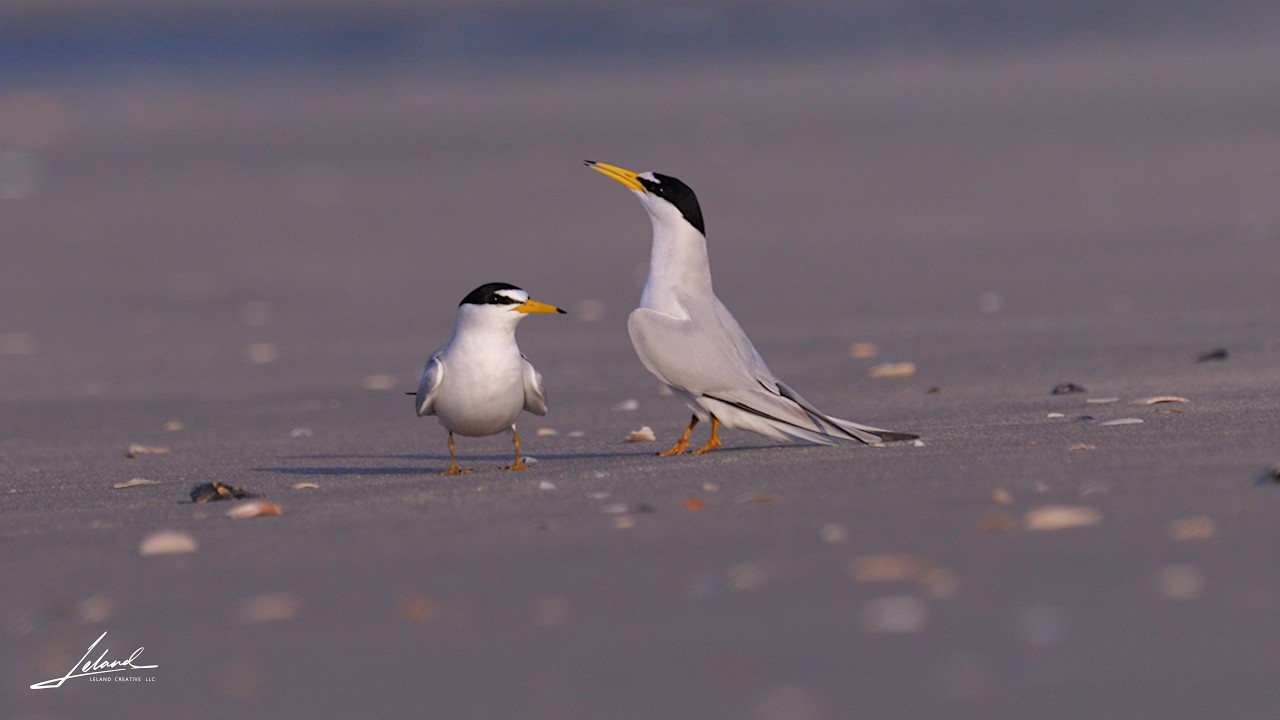
Least Tern Dance
I find the mating and pair bonding behavior of birds fascinating. Who knows how Least Terns (Sterna antillarum) developed this crazy dance to precede copulation? I don't know why it reminds me of John Travolta and Uma Thurmond in Pulp Fiction.
lelandcreative
Nov 81 min read

Lowcountry Turkey & Poults
Walking a trail at Botany Bay Heritage Preserve last spring, I caught a glimpse of a hen wild turkey (M. gallopavo) hiding with her brood of three poults in a field of sunflowers. She was cautious, but I had patience and time to bask in a scene of quintessential South Carolina Lowcountry.
lelandcreative
Nov 81 min read

Green-Winged Teal
Hunkered down along a ricefield dike along the Santee River in coastal South Carolina, I was hoping for snipe. I had seen several working their way along the bank. A screaming fast flock of green-winged teal came right over my head seeking calm water on the lee side of cover. Sporting their peak breeding plumage, these handsome dabbling ducks often pit stop here on their northbound migration. Hence their scientific name A. carolinensis.
lelandcreative
Nov 81 min read

Shake It Off
Sometimes even green herons have a bad day and the only responsible thing to do is shake it off and chill out. (Butorides virescens)
lelandcreative
Nov 81 min read
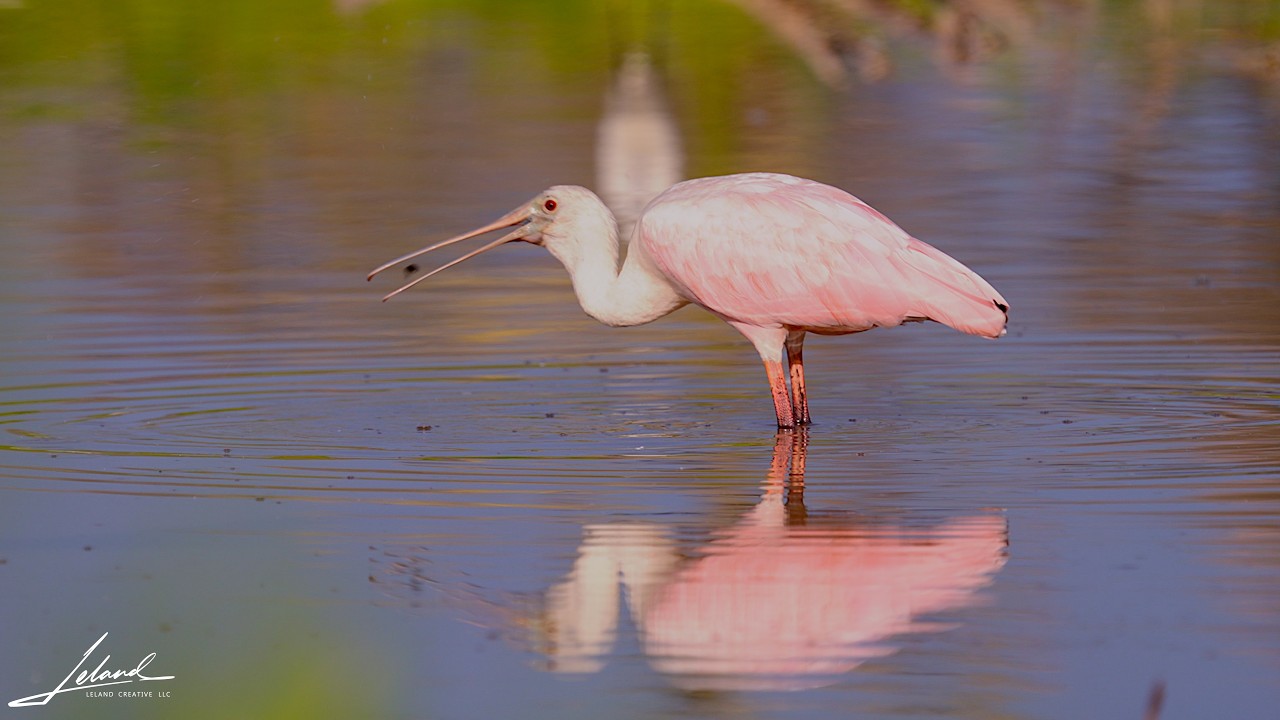
Roseate Spoonbills
Roseate Spoonbills (Platalea ajaja) are not traditionally native to South Carolina, but in recent years they have been moving north from Florida and becoming more frequent in the coastal marshes and rivers, especially brackish tidal waters where they use their paddle-shaped bills to "swish" for aquatic invertebrates, insects, minnows and other small prey. While their bills appear to hard and solid, they contain highly sensitive nerve endings that allow them to feed by feel.
lelandcreative
Nov 81 min read


American Oystercatchers
It's mating season and the American Oystercatchers (Haematopus palliatus) are frisky.
lelandcreative
May 131 min read


Stand-Off On The Sand
Least Terns (Sternula antillarum) nest on South Carolina beaches, just above the high tide line on flats of mixed shells and sand. Their nests are little more than a small depression and are especially sucesptible to predators and human disturbance. Despite their dimunitive size, Least Tearns are feisty. Today while walking the permiter of a protected nesting area I saw a stand-off in progress. A ghost crab attempted to charge a nesting tern. For about 10 minutes the crab cha
lelandcreative
May 121 min read
bottom of page